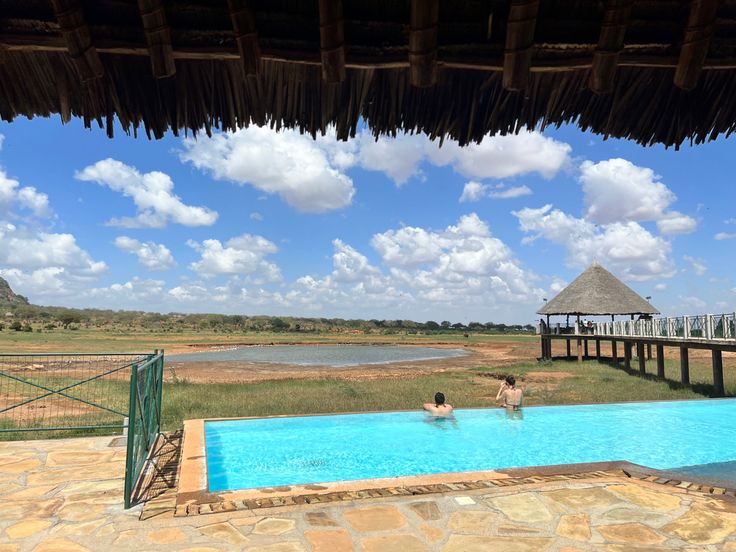
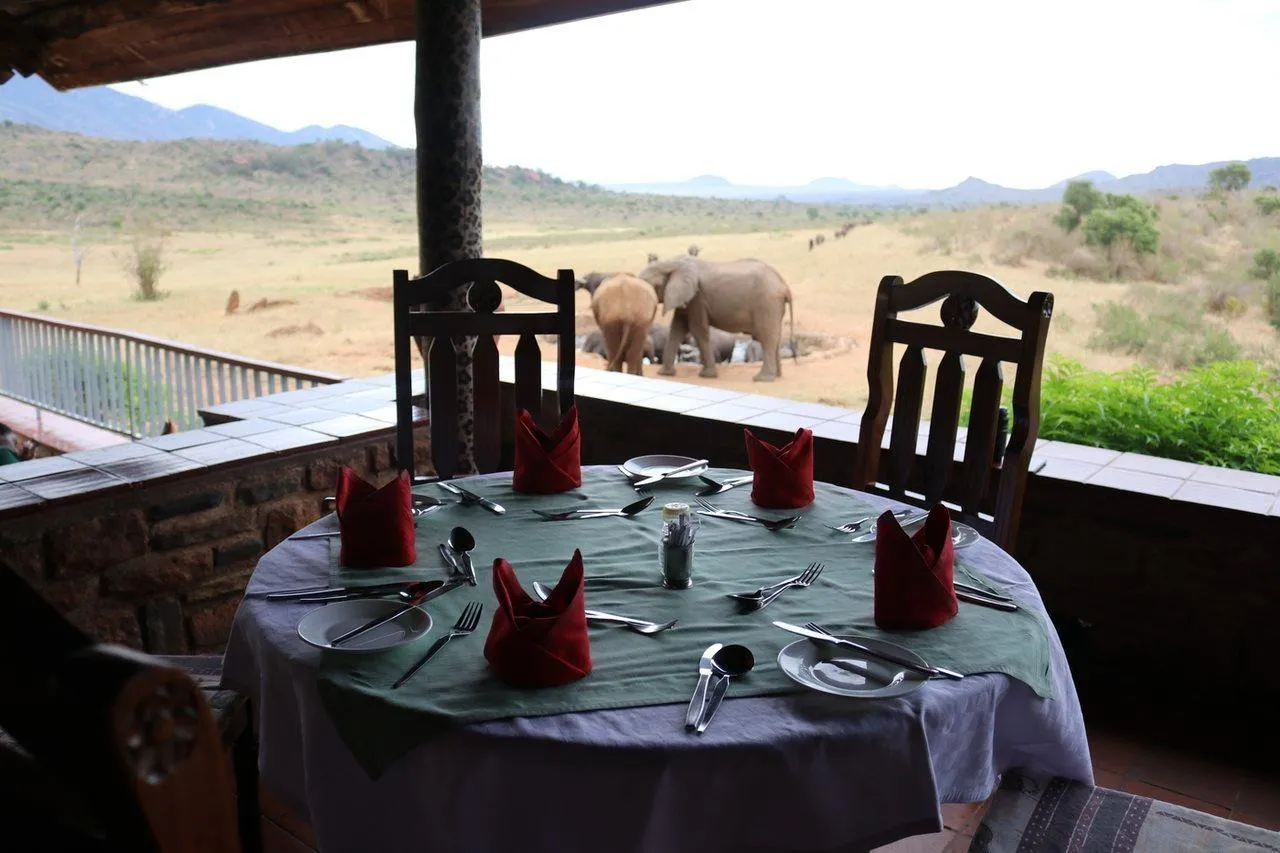
Tsavo West National Park is the western counterpart to Tsavo East National Park and together they form the expansive Tsavo Conservation Area in Kenya. Like Tsavo East, Tsavo West is a popular safari destination, known for its diverse landscapes, wildlife, and unique attractions.
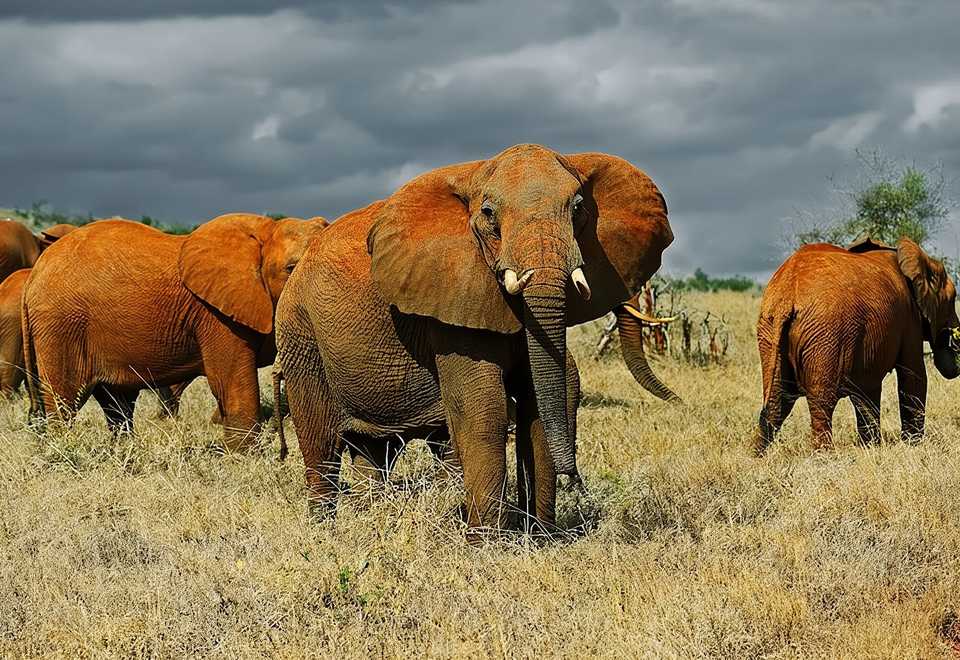
The park is rich in wildlife, including the Big Five (lion, elephant, buffalo, leopard, and rhinoceros). Other species include giraffes, zebras, impalas, hippos, crocodiles, and various bird species. The diverse habitats, ranging from savannah to mountains, support a wide array of flora and fauna.
Travel from Nairobi by Safari Jeep or scheduled transfer is a 230-mile drive and will take approximately six hours. The drive from Mombasa is 125 miles and will take approximately three hours.
Flights from Nairobi’s Wilson Airport to Tsavo East National Park will take 60 minutes and 30 minutes from Mombasa. Guests can fly into Voi Airport and take a three-hour transfer or fly into the Kilaguni or Finch Hattons Airstips in Tsavo West, and do a road transfer to their respective lodge or camp in Tsavo East National Park.

This is a unique way to travel from either Nairobi or Mombasa. The journey on the Madaraka Express will take approximately two hours and forty-five minutes from Nairobi and one and a half hours from Mombasa. The train will pull into the Voi Terminal, where representatives from various lodges and camps will meet guests to transfer them to their accommodation.
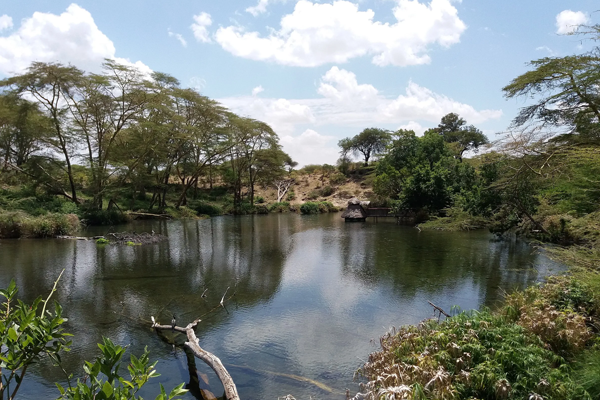
One of the major highlights of Tsavo West is Mzima Springs, a series of natural springs that produce a constant flow of crystal-clear water. Visitors can view hippos and crocodiles from an underwater observatory, providing a unique and close-up encounter with these aquatic creatures.
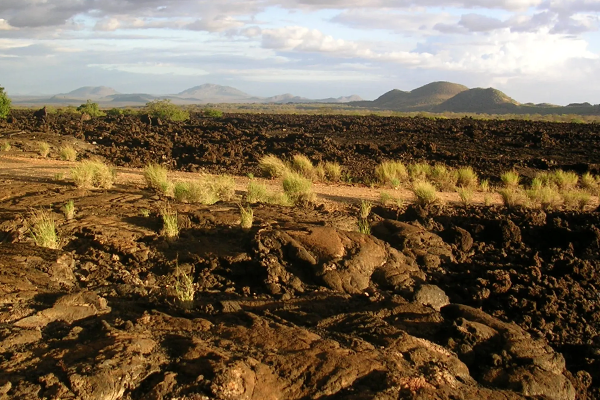
Tsavo West is home to the Shetani Lava Flows, a vast expanse of black lava that resulted from volcanic activity. The word “Shetani” means “devil” in Swahili, and the dramatic, otherworldly landscape is an intriguing sight for visitors.
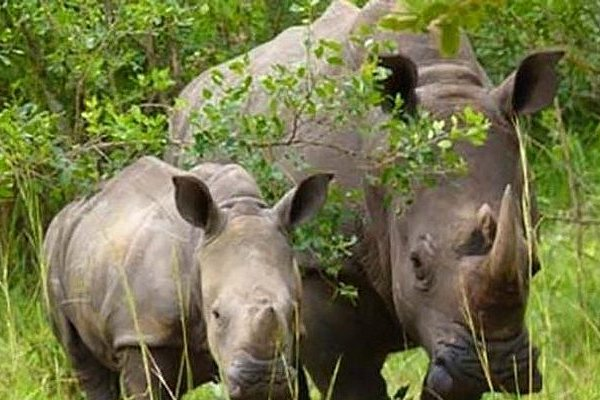
The Ngulia Rhino Sanctuary within Tsavo West has played a crucial role in rhino conservation efforts. Visitors have the opportunity to see both black and white rhinos in a protected environment, contributing to the preservation of these endangered species.