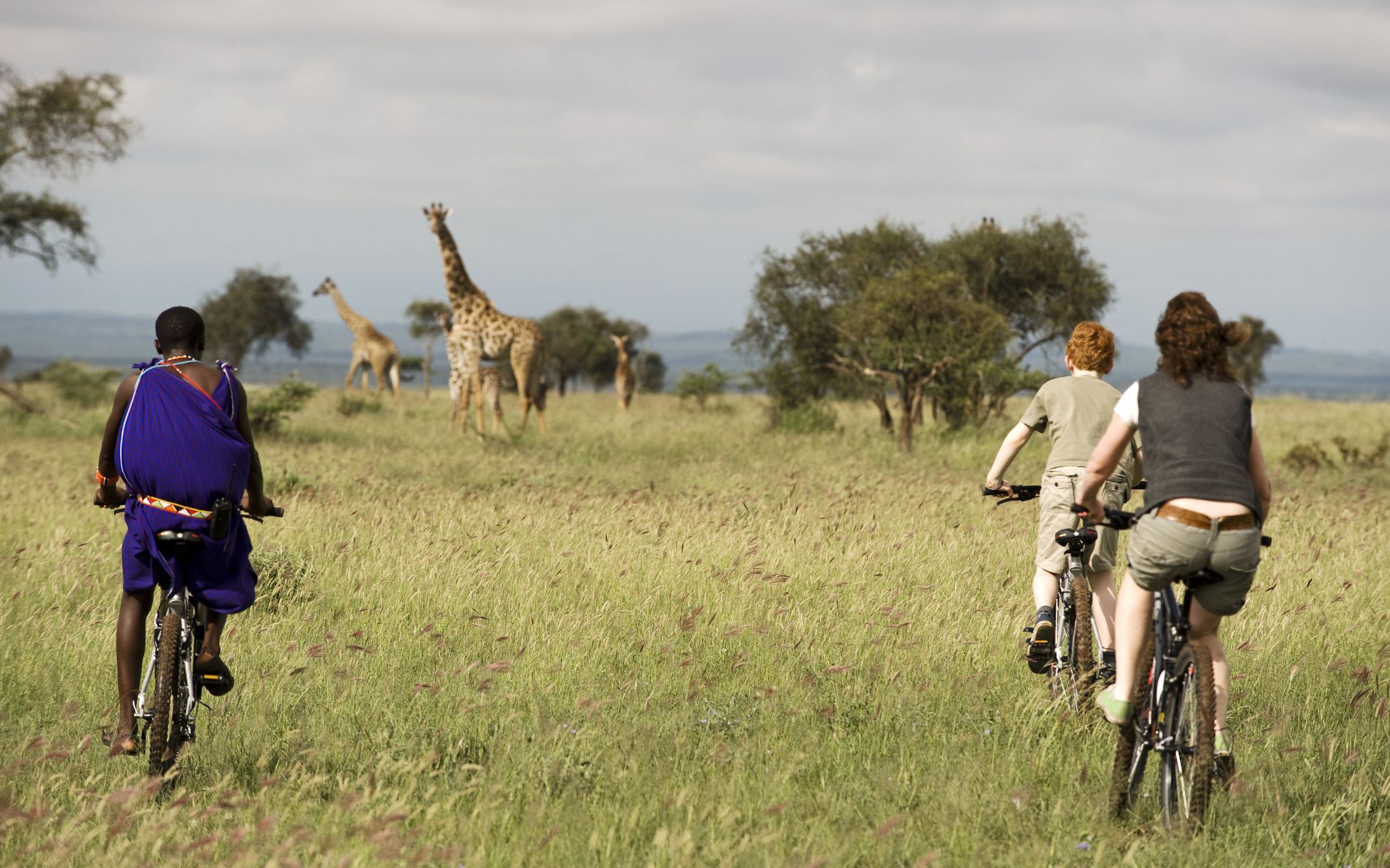
Imagine waking up to the golden glow of an African sunrise, with the sounds of nature echoing across the vast savanna. As you enjoy a freshly brewed cup of coffee outside your safari tent, the distant roar of a lion reminds you that you’re in one of the world’s greatest wildlife destinations. A Safari in Kenya is more than just a holiday—it’s an unforgettable adventure filled with breathtaking landscapes, extraordinary wildlife encounters, and rich cultural experiences.
Home to over 40 national parks and game reserves, Kenya offers visitors the chance to witness iconic wildlife spectacles, including the world-famous Great Wildebeest Migration, while exploring diverse ecosystems ranging from open grasslands to lush forests and shimmering lakes. Whether you’re a first-time safari traveler or a seasoned explorer, Kenya promises memories that will last a lifetime.
The Wonders of Kenya’s National Parks and Reserves
Kenya boasts one of Africa’s most impressive collections of protected wildlife areas, each offering unique landscapes and remarkable biodiversity. From the legendary Maasai Mara to the elephant-rich plains of Amboseli, every destination provides a different safari experience.
Maasai Mara National Reserve
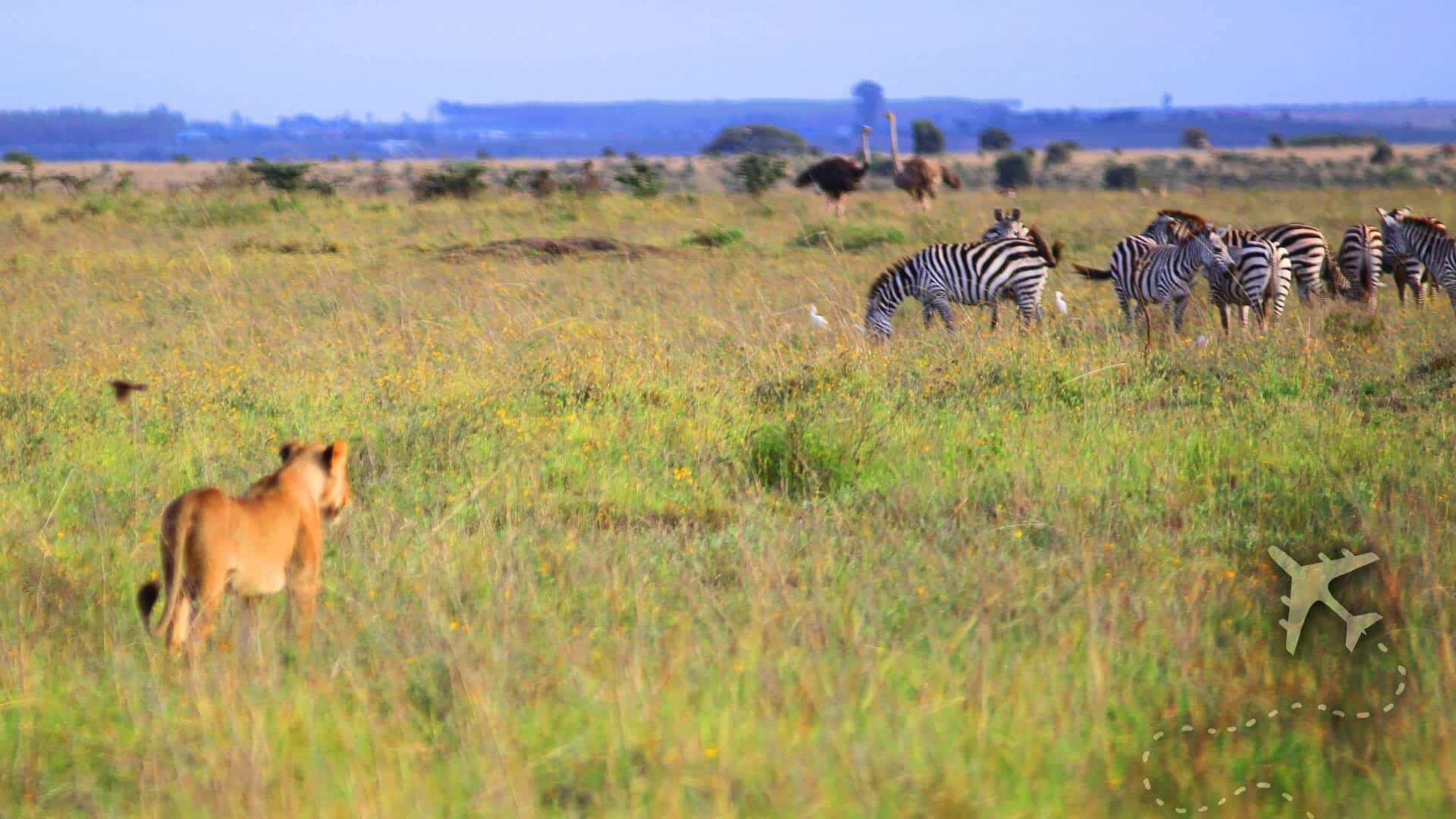
The Maasai Mara is Kenya’s most celebrated safari destination, famous for its abundant wildlife and annual Great Wildebeest Migration. Visitors can expect to see lions, leopards, cheetahs, elephants, and countless grazing herbivores across endless golden plains.
Amboseli National Park
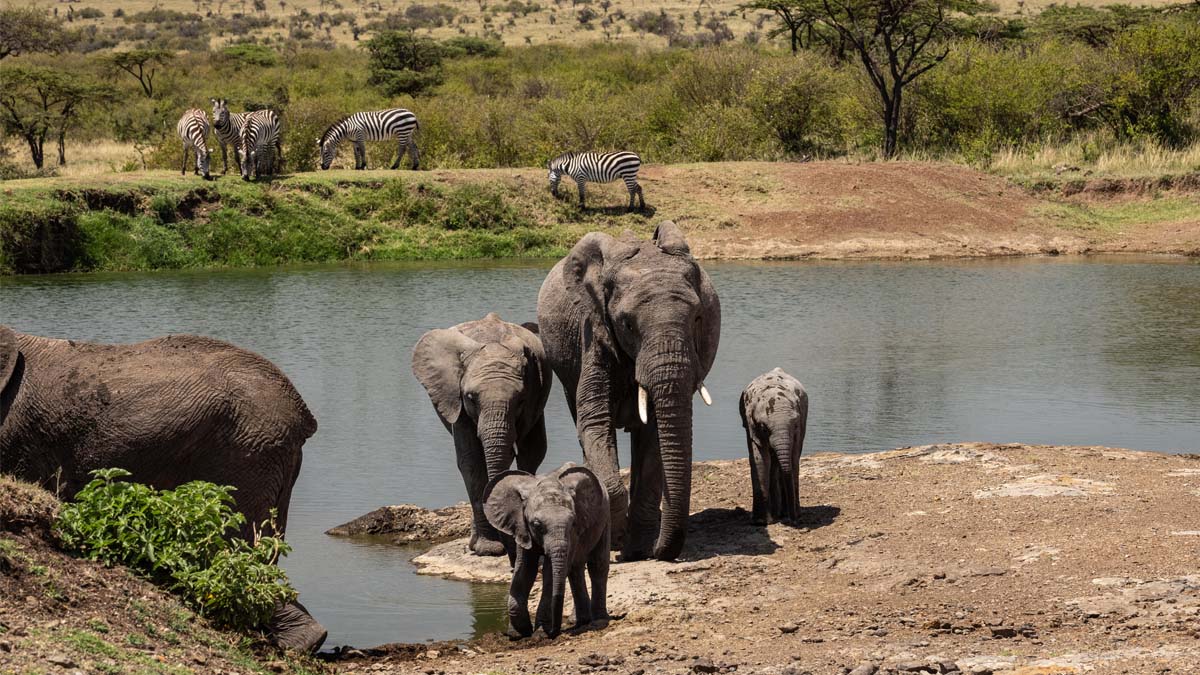
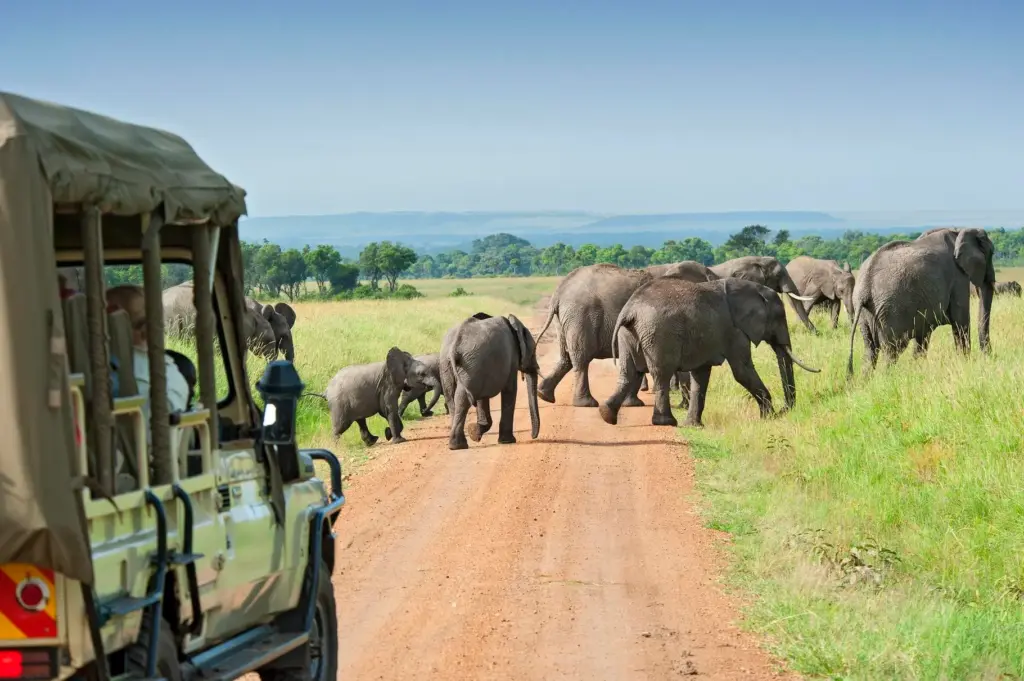
Set against the stunning backdrop of Mount Kilimanjaro, Amboseli National Park is renowned for its large elephant herds, scenic wetlands, and spectacular photography opportunities.
Lake Nakuru National Park
Known for its colorful birdlife, Lake Nakuru attracts thousands of flamingos and is one of the best places in Kenya to spot both black and white rhinos.
Tsavo East and Tsavo West National Parks
Together forming one of Africa’s largest protected ecosystems, Tsavo’s rugged landscapes offer sightings of red elephants, black rhinos, lions, crocodiles, and countless bird species.
Kenya’s parks also play a vital role in wildlife conservation through anti-poaching initiatives, habitat protection, and community-based tourism projects that support local livelihoods.
Experiencing the Great Wildebeest Migration
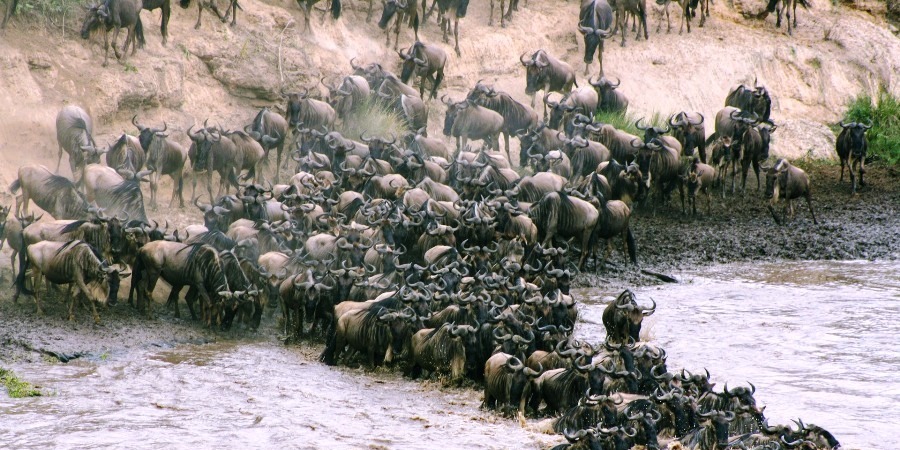
One of the greatest natural spectacles on Earth is the Great Wildebeest Migration, where over two million wildebeests, zebras, and gazelles journey across the Serengeti-Mara ecosystem in search of fresh grazing lands.
Between July and October, visitors can witness dramatic river crossings as thousands of animals brave crocodile-infested waters while predators wait along the riverbanks.
Highlights of the migration include:
- Massive wildebeest herds stretching across the plains
- Exciting Mara River crossings
- Lions, cheetahs, and leopards hunting prey
- Spectacular wildlife photography opportunities
- Guided game drives with expert safari guides
Watching this incredible event unfold in person is an experience unlike any other.
Connecting with Kenya’s Incredible Wildlife
While the Great Migration draws worldwide attention, Kenya’s wildlife extends far beyond this annual event.
Visitors have excellent opportunities to spot the famous Big Five:
- Lion
- Leopard
- African Elephant
- Cape Buffalo
- Black Rhino
Beyond the Big Five, Kenya is home to:
- Cheetahs
- Giraffes
- Hippos
- Hyenas
- Zebras
- Wildebeests
- Warthogs
- Crocodiles
- Servals
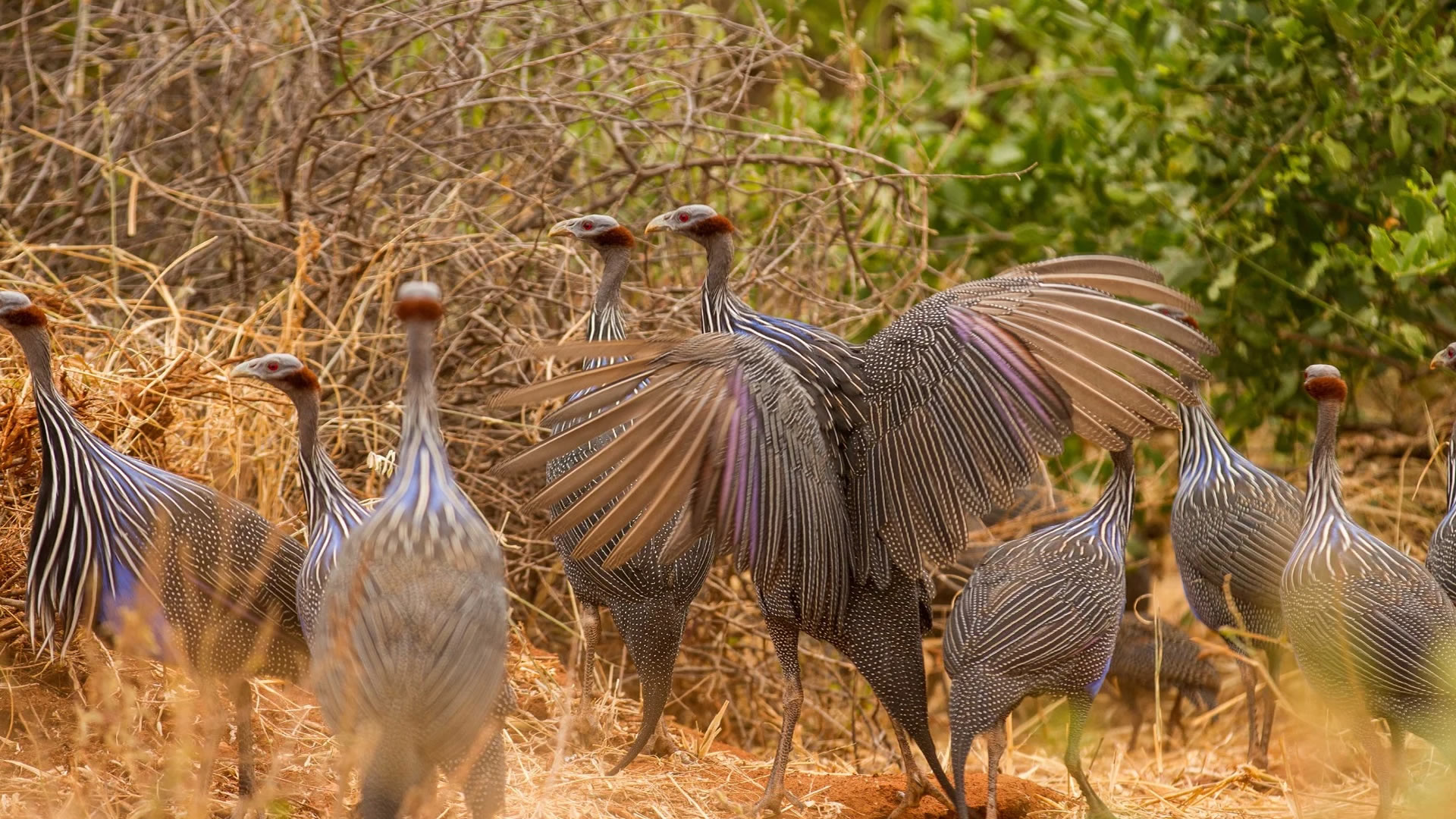
- Hundreds of bird species
Many conservancies also offer unique experiences such as:
- Night game drives
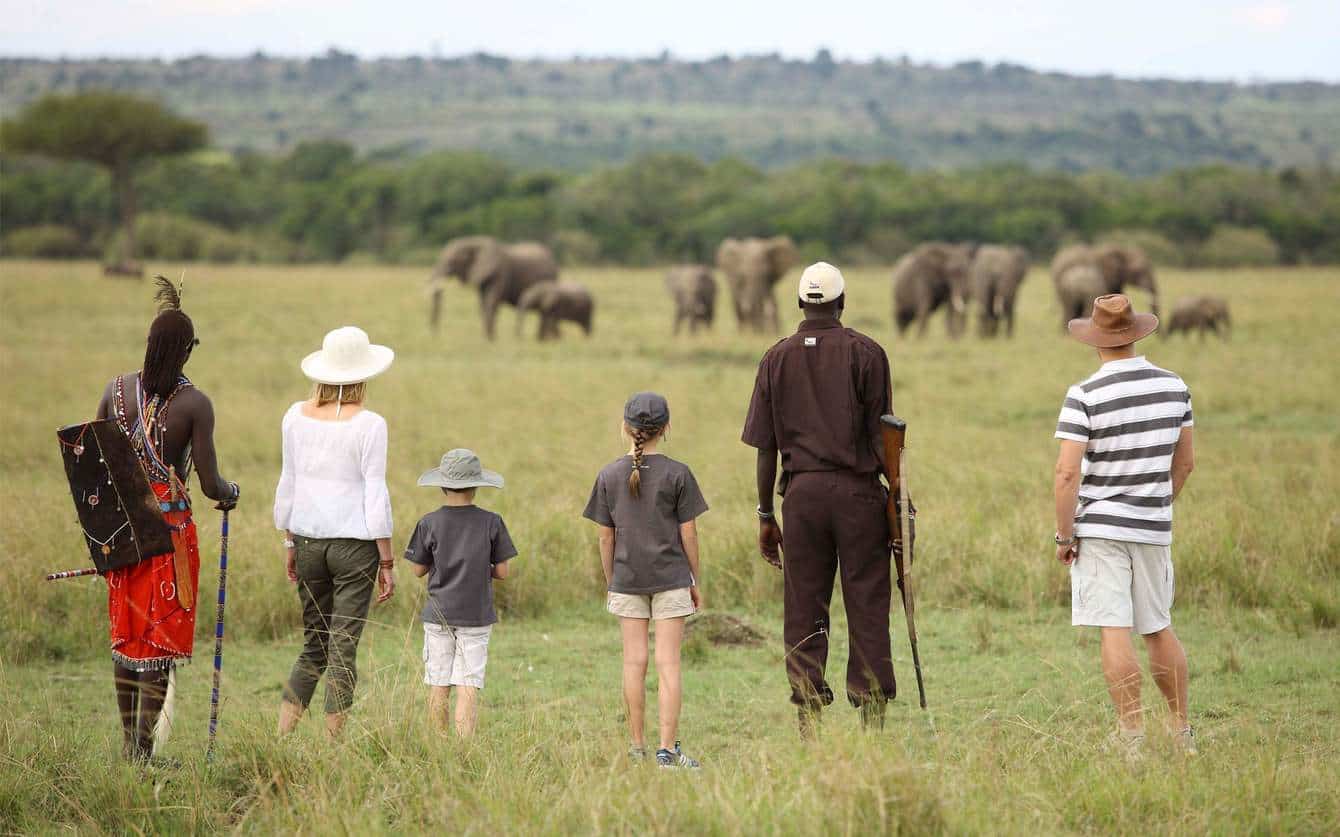
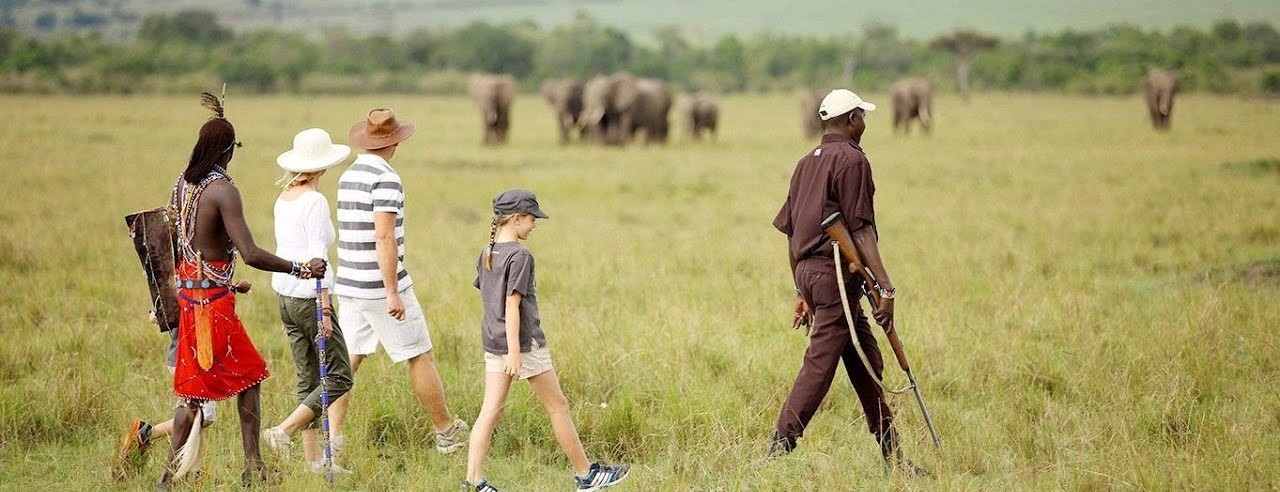
- Guided bush walks
- Birdwatching safaris
- Rhino sanctuaries
- Elephant conservation centers
Every safari provides a deeper appreciation for Kenya’s diverse ecosystems and the importance of preserving these remarkable habitats.
Cultural Immersion: Discover the Maasai People
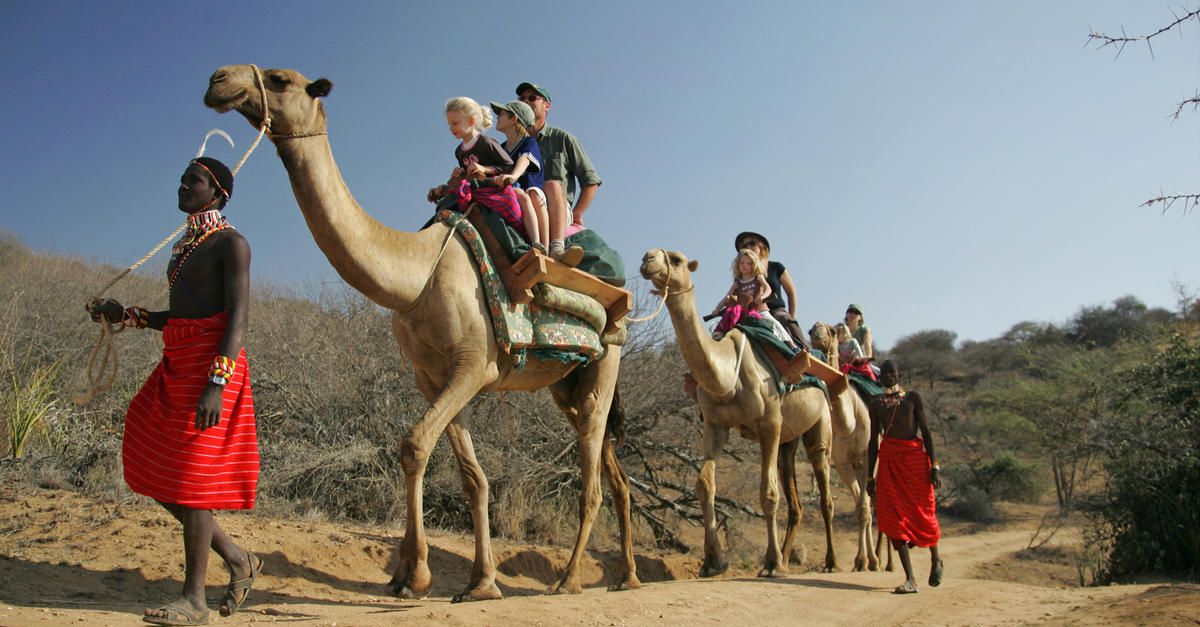
A safari in Kenya isn’t only about wildlife—it’s also an opportunity to experience one of Africa’s most iconic cultures.
The Maasai people have lived alongside wildlife for centuries while preserving their traditions, customs, and semi-nomadic lifestyle.
Visitors can enjoy:
- Traditional Maasai dance performances
- Guided village tours
- Learning about beadwork and craftsmanship
- Sampling traditional foods
- Understanding Maasai conservation practices
Community-based tourism also helps fund local education, healthcare, and conservation initiatives, making cultural visits both meaningful and impactful.
Safari Accommodation: From Luxury Camps to Eco-Lodges
Kenya offers accommodation options for every type of traveler.
Luxury Safari Camps
Luxury tented camps feature:
- Spacious suites
- King-size beds
- Private decks
- Fine dining
- Swimming pools
- Exceptional wildlife views
Eco-Friendly Lodges
Environmentally conscious travelers can stay in sustainable lodges that include:
- Solar-powered facilities
- Water conservation systems
- Locally sourced materials
- Community employment initiatives
Budget-Friendly Options
Affordable accommodations include:
- Campsites
- Guesthouses
- Bandas (traditional cottages)
- Family-run safari lodges
No matter your budget, every stay allows you to experience the beauty of Kenya’s wilderness.
Essential Safari Packing List
Packing wisely will make your safari more comfortable and enjoyable.
Clothing
- Neutral-colored shirts
- Lightweight trousers
- Long-sleeve tops
- Warm jacket for early mornings
- Comfortable walking shoes
- Hat and sunglasses
Safari Equipment
- Binoculars
- Camera with zoom lens
- Extra batteries
- Memory cards
- Power bank
Health Essentials
- Sunscreen
- Insect repellent
- Personal medications
- Small first-aid kit
- Reusable water bottle
Choosing lightweight, breathable clothing in earthy tones helps you stay comfortable while blending into the natural surroundings.
Safari Safety Tips
Following basic safety guidelines ensures an enjoyable wildlife experience.
Always remember to:
- Stay inside the safari vehicle unless instructed otherwise.
- Listen carefully to your guide.
- Never feed or approach wild animals.
- Keep noise to a minimum.
- Carry enough drinking water.
- Apply sunscreen regularly.
- Use insect repellent during evenings.
- Obtain recommended vaccinations before traveling.
- Purchase comprehensive travel insurance.
Respecting wildlife and following park regulations helps protect both visitors and animals.
Photography Tips for Your Kenya Safari
Kenya offers endless opportunities for breathtaking wildlife photography.
For the best results:
- Shoot during sunrise and sunset.
- Use a telephoto lens for wildlife.
- Keep your camera in burst mode for action shots.
- Carry extra batteries and memory cards.
- Be patient and wait for natural animal behavior.
- Include landscapes to tell a complete story.
Capturing both wildlife and scenery creates unforgettable visual memories of your safari adventure.
Supporting Sustainable Tourism
Responsible tourism plays an important role in protecting Kenya’s wildlife for future generations.
Travelers can contribute by:
- Choosing eco-certified safari operators.
- Supporting local businesses and artisans.
- Avoiding single-use plastics.
- Following Leave No Trace principles.
- Respecting wildlife habitats.
- Participating in conservation-focused experiences.
Every responsible travel decision helps preserve Kenya’s incredible biodiversity.
Frequently Asked Questions (FAQs)
What is the best time for a safari in Kenya?
The dry season from June to October offers the best wildlife viewing and coincides with the Great Wildebeest Migration.
How many days should I spend on safari?
A 5–7 day safari allows enough time to visit multiple parks and enjoy different wildlife experiences.
Can I see the Big Five in Kenya?
Yes. Kenya is one of the best destinations in Africa to see all members of the Big Five.
Is Kenya suitable for first-time safari travelers?
Absolutely. Kenya offers excellent safari infrastructure, experienced guides, and accommodations for every budget.
What should I wear on safari?
Neutral-colored, lightweight clothing, comfortable walking shoes, and a warm jacket for cool mornings are recommended.
Conclusion
A Safari in Kenya is far more than a vacation—it’s an extraordinary journey into one of the world’s richest wildlife destinations. From witnessing the Great Wildebeest Migration in the Maasai Mara to exploring Amboseli beneath the majestic Mount Kilimanjaro, every destination offers unforgettable moments.
Beyond the incredible wildlife, Kenya’s vibrant cultures, welcoming communities, luxurious accommodations, and commitment to conservation make every safari a truly life-changing experience. Whether you’re seeking adventure, photography, relaxation, or cultural discovery, Kenya delivers an African safari unlike any other.
Explore More Travel Guides
If you enjoyed learning about Safari in Kenya, don’t stop here! Check out our other travel guides to plan your next African adventure:
- Best Safari Parks and Game Reserves Near Nairobi
- Ultimate Kenya Safari Packing Checklist
- Best Time to Visit Kenya for Wildlife Safaris
- Top National Parks in East Africa
- Luxury Safari Lodges in Kenya
- Great Wildebeest Migration Travel Guide
- Family-Friendly Safari Destinations
- Essential African Safari Photography Tips